The Hacker's Guide to Python, 2nd edition!
A year passed since the first release of The Hacker's Guide to Python in March 2014. A few hundreds copies have been distributed so far, and the feedback is wonderful!
A year passed since the first release of The Hacker’s Guide to Python in March 2014. A few hundreds copies have been distributed so far, and the feedback is wonderful!
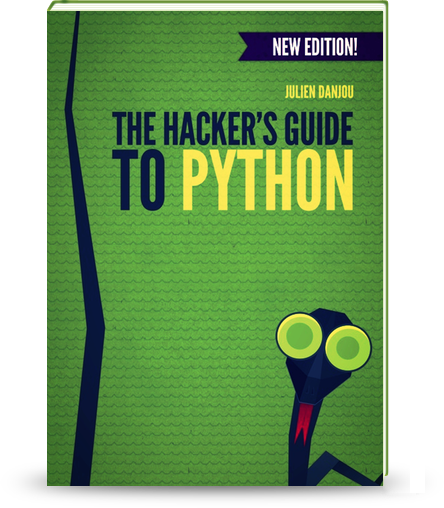
I already wrote extensively about the making of that book last year, and I cannot emphasize enough how this adventure has been amazing so far. That’s why I decided a few months ago to update the guide and add some new content.
So let’s talk about what’s new in this second edition of the book!
First, I obviously fixed a few things. I had some reports about small mistakes and typos which I applied as I received them. Not a lot fortunately, but it’s still better to have fewer errors in a book, right?
Then, I updated some of the content. Things changed since I wrote the first chapters of that guide 18 months ago. Therefore I had to rewrite some of the sections and take into account new software or libraries that were released.
At last, I decided to enhance the book with one more interview. I’ve requested my fellow OpenStack developer Joshua Harlow, who is leading a few interesting Python projects, to join the long list of interviewees in the book. I hope you’ll enjoy it!
If you didn’t get the book yet, go check it out and use the coupon THGTP2LAUNCH to get 20% off during the next 48 hours!
Related posts
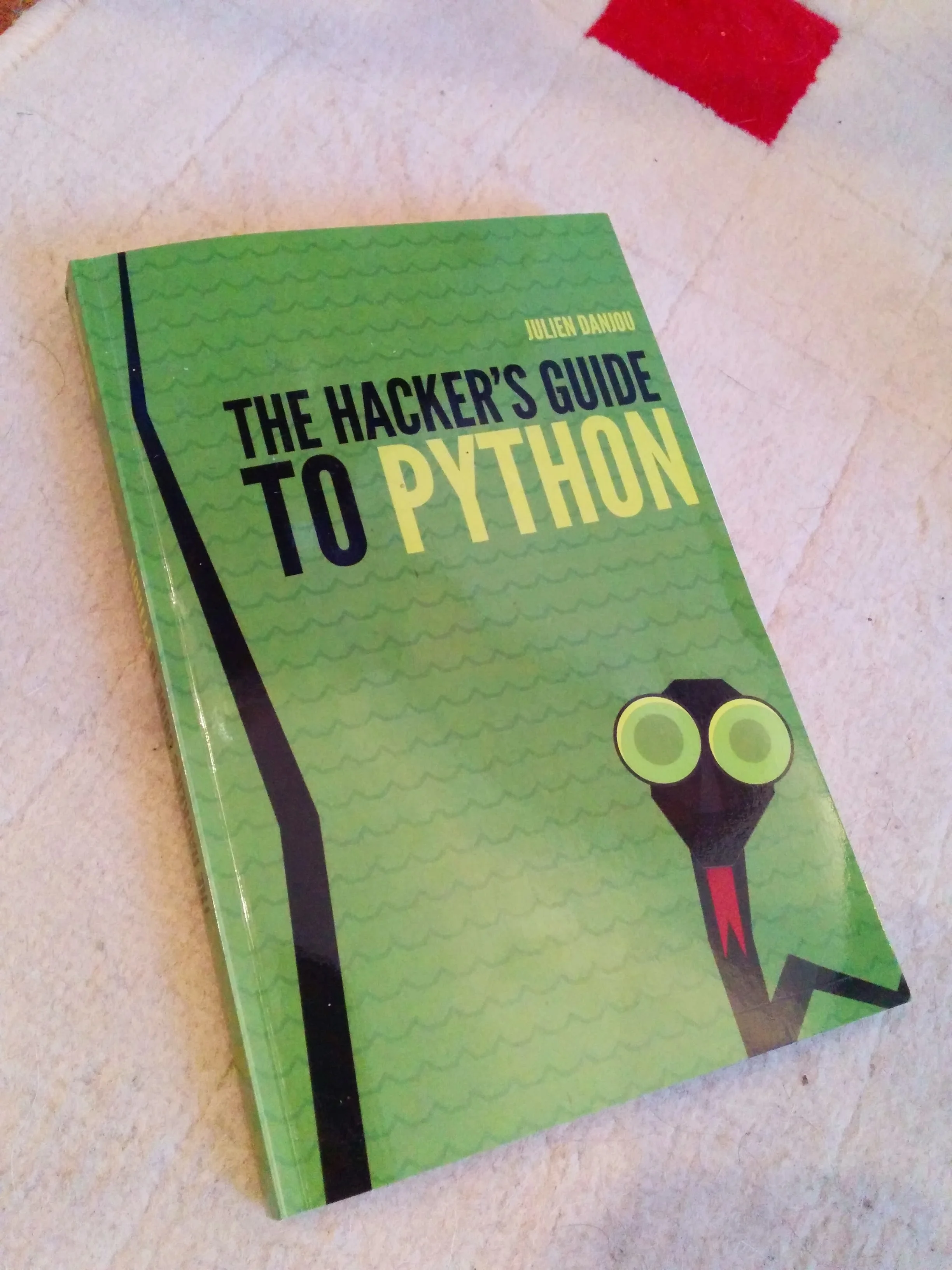
A Decade of Writing Books and Selling 25,000 Copies
Reflecting on the Journey and Impact of Writing Technical Books.
Read more →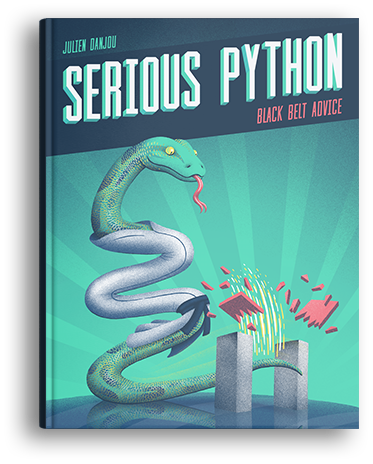
Serious Python released!
Today I'm glad to announce that my new book, Serious Python, has been released. However, you wonder… what is Serious Python? Well, Serious Python is the the new name of The Hacker's Guide to Python
Read more →